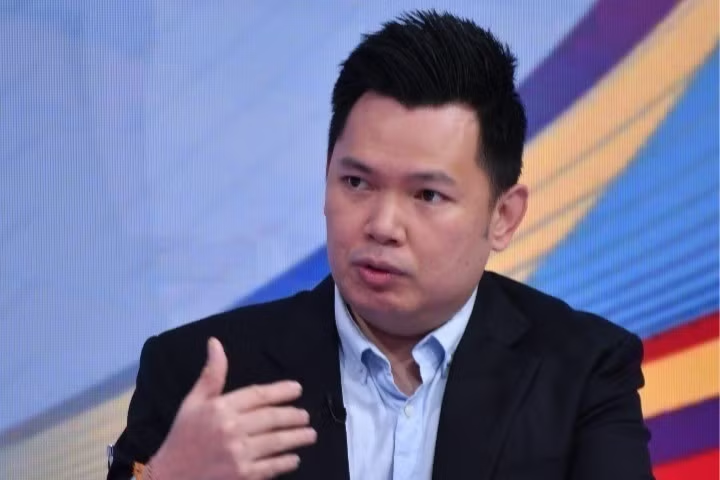
 Collins Chong Yew Keat, a Malaysian foreign affairs, security and strategy analyst based in Universiti Malaya (Photo courtesy of the expert)
Vietnam is playing a pivotal role in Mekong subregional cooperation by linking economic development with regional security and strategies, said Collins Chong Yew Keat, a Malaysian foreign affairs, security and strategy analyst based in Universiti Malaya.
Talking to the Vietnam News Agency on the occasion of the 49th ASEAN Summit, being held in the Philippines, Collins Chong noted that as a downstream Mekong country, Vietnam is directly affected by upstream water management, hydropower development, environmental degradation, climate change and saltwater intrusion.
These challenges affect not only Vietnam’s agricultural production, food security and people’s livelihoods but also mainland Southeast Asia as a whole, as the Mekong Delta plays a vital role in ASEAN’s food supply, trade and supply chains, he said.
According to the expert, Vietnam’s strategic contribution lies in helping ASEAN recognise that Mekong-related issues are not merely development challenges for one subregion but are directly linked to the bloc’s overall economic resilience and security.
Through mechanisms such as the Mekong River Commission (MRC), Lancang–Mekong Cooperation (LMC) and Greater Mekong Subregion (GMS) economic cooperation programme, as well as cooperation with Japan and the Republic of Korea, Vietnam has helped promote infrastructure connectivity, environmental protection and coordinated responses to cross-border challenges.
Collins Chong stressed that Vietnam has a direct interest in promoting transparency in the operation of upstream hydropower dams, sharing hydrological data and coordinating water regulation to balance the interests of countries in the river basin. Meanwhile, transport links connecting Laos, Cambodia and Thailand with Vietnam’s seaports and manufacturing hubs could help build a more integrated economic and logistics network across the subregion.
Regarding growth prospects, he said Vietnam is strengthening its position in global supply chains through industrial diversification, particularly in electronics, machinery and textiles, as well as deeper trade integration. However, the country needs to move beyond being a manufacturing destination to develop stronger technological capabilities, higher domestic value added and greater supply chain security.
The programme to develop one million hectares of high-quality, low-emission rice in the Mekong Delta exemplifies Vietnam’s efforts to combine agricultural competitiveness with sustainable development, he noted.
Regarding Vietnam–Malaysia relations, the expert said the two countries have significant opportunities to translate their Comprehensive Strategic Partnership into deeper industrial and technological cooperation. Malaysia has strengths in electronics, semiconductor packaging and testing, digital services and energy, while Vietnam offers a skilled technical workforce, expanding manufacturing capacity and an extensive network of trade agreements.
The two sides could step up collaboration in semiconductors, AI, e-commerce, cybersecurity and the application of technology to manufacturing, logistics and agriculture, he suggested.
He also highlighted the potential for renewable energy cooperation among Vietnam, Malaysia and Singapore to contribute to the ASEAN Power Grid initiative, helping strengthen energy security and reduce emissions in industrial production.
Closer links in technology, research, human resources training and business–university cooperation will enable Vietnam, Malaysia and ASEAN as a whole to improve their positions in global value chains and gradually emerge as centres of innovation and technological development, he added.
VNA