With the theme “Green Vietnamese Rice - Reaching the World”, the 2nd Vietnam International Rice Industry Festival in Can Tho is set to create a space for genuine connection across the rice value chain, aiming for green, low-emission production with farmers playing the central role.
Aiming for “Green Rice, High Value”
From a country that once faced severe food shortages, Vietnam has broken through to become one of the world's leading rice-producing and exporting powers. In this achievement, the Mekong Delta serves as the country's key commercial rice-producing region.
In particular, Can Tho City - with its central location in the region and outstanding advantages in processing, trade, logistics, science, technology and workforce training - is emerging as a key hub connecting and fostering cooperation across the entire industry.
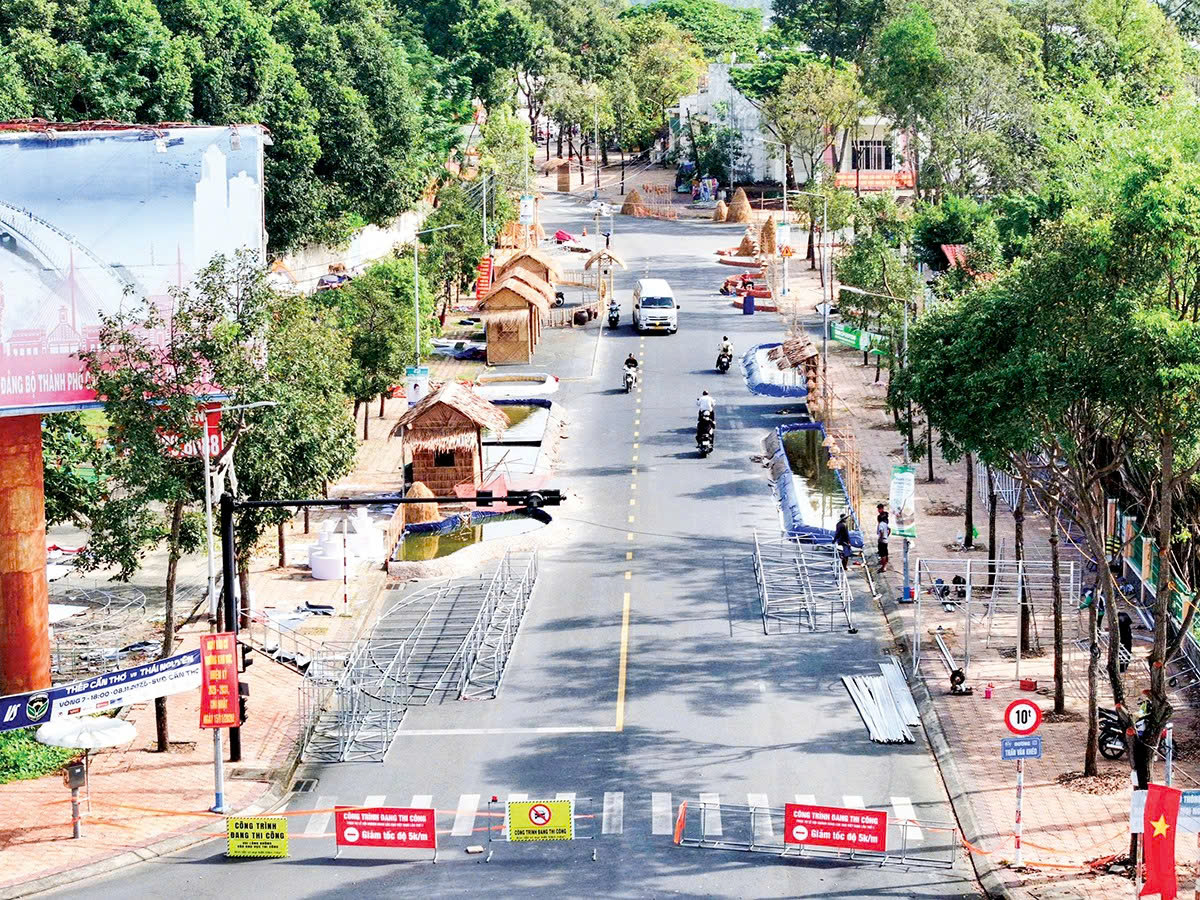
The Festival's rice road is under construction.
Amid severe challenges from climate change, market fluctuations and stringent standards on quality, food safety, traceability and environmental protection, the rice sector is undergoing a major shift in both mindset and value chain organization.
This commitment to green transition is being realized by Can Tho with impressive figures. In the first nine months of 2026, the city's Gross Regional Domestic Product (GRDP) is estimated to have increased by 7.89%, including a 4.30% increase in the agriculture, forestry and fisheries sector.
For the whole year, the city's rice cultivation area is expected to reach about 708,000 hectares, with an output of 4.66 million tonnes; the area meeting VietGAP and GlobalGAP standards is expected to exceed 2,580 hectares, and organic-oriented cultivation is expected to exceed 20,700 hectares.
Building on this foundation, Can Tho is working closely with the Ministry of Agriculture and Environment, other localities, research institutes, universities, enterprises and cooperatives to carry out the project to sustainably develop one million hectares of high-quality, low-emission specialized rice cultivation in the Mekong Delta by 2030. The focus is on building standardized raw material zones, applying science and technology, mechanization and digital transformation to cut costs, reduce emissions and expand markets.
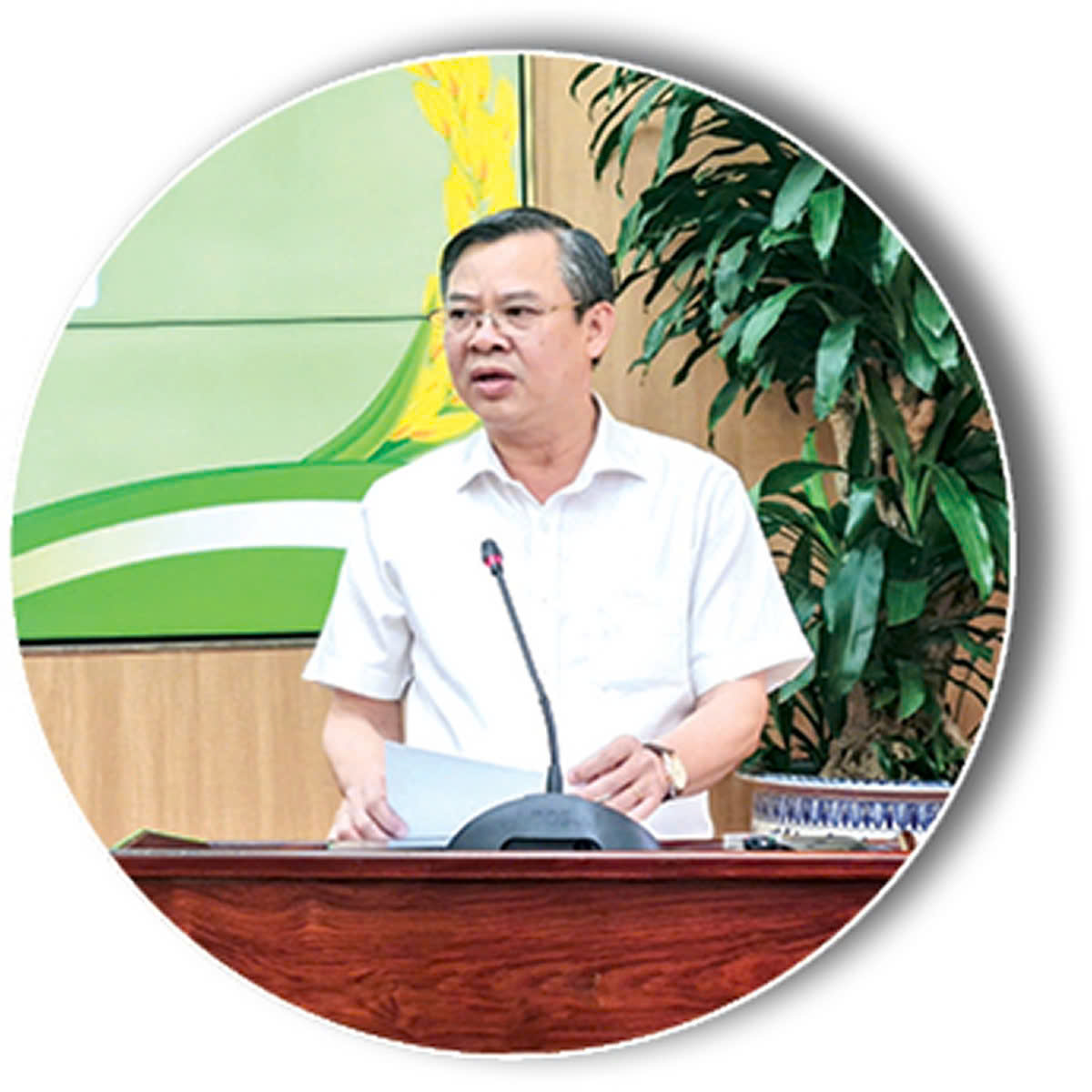
Speaking about the transformation orientation and key expectations as Can Tho hosts the event, Mr. Truong Canh Tuyen, Chairman of the Can Tho City People’s Committee, stressed: “We need to move from focusing on output to improving quality and added value; from traditional production to green, low-emission production adapted to climate change; from simply exporting rice to building brands and raising the standing of Vietnamese rice.
Farmers must truly be the key drivers, the center and the beneficiaries of development. The success of the Festival should not be measured only by its scale or number of booths, but more importantly by the cooperation opportunities and practical value created for producers, businesses and the whole sector”.
Real connections for the value chain
Taking place from November 22 to 25, 2026 at Song Hau Park (Cai Khe Ward, Can Tho City), the 2nd Vietnam International Rice Industry Festival will be held on a large scale with a wide range of activities.
Besides an exhibition space of more than 500 booths and the art space “The rice road from the past to the future”, the event also brings together many in-depth activities such as showcases of achievements and new technologies, demonstrations of advanced machinery for rice production, scientific workshops, investment promotion forums, trade networking and bilateral meetings. Alongside these are rice-based art contests, “The flavor of Vietnam’s pearl grain” culinary event, the rice sector innovation showcases, and tours to Cai Rang Floating Market, eco-tourism sites and river culture experiences.
Through this diverse program, the Festival not only showcases the potential of the rice industry but also puts the spotlight on Can Tho’s cultural identity and its hospitable people. More importantly, the event is expected to become a space for real connections among policymakers, scientists, businesses, cooperatives, farmers and international partners, helping to drive knowledge exchange, technology transfer and smoother supply and demand. By hosting the event, Can Tho pledges to further improve its investment environment, promote digital transformation and welcome domestic and foreign partners for long-term cooperation to jointly build a green, sustainable agricultural value chain.
For a successful festival
To ensure the Festival is held safely, smoothly and effectively, Mr. Truong Canh Tuyen requested departments, sectors and localities to synchronously implement key groups of tasks.
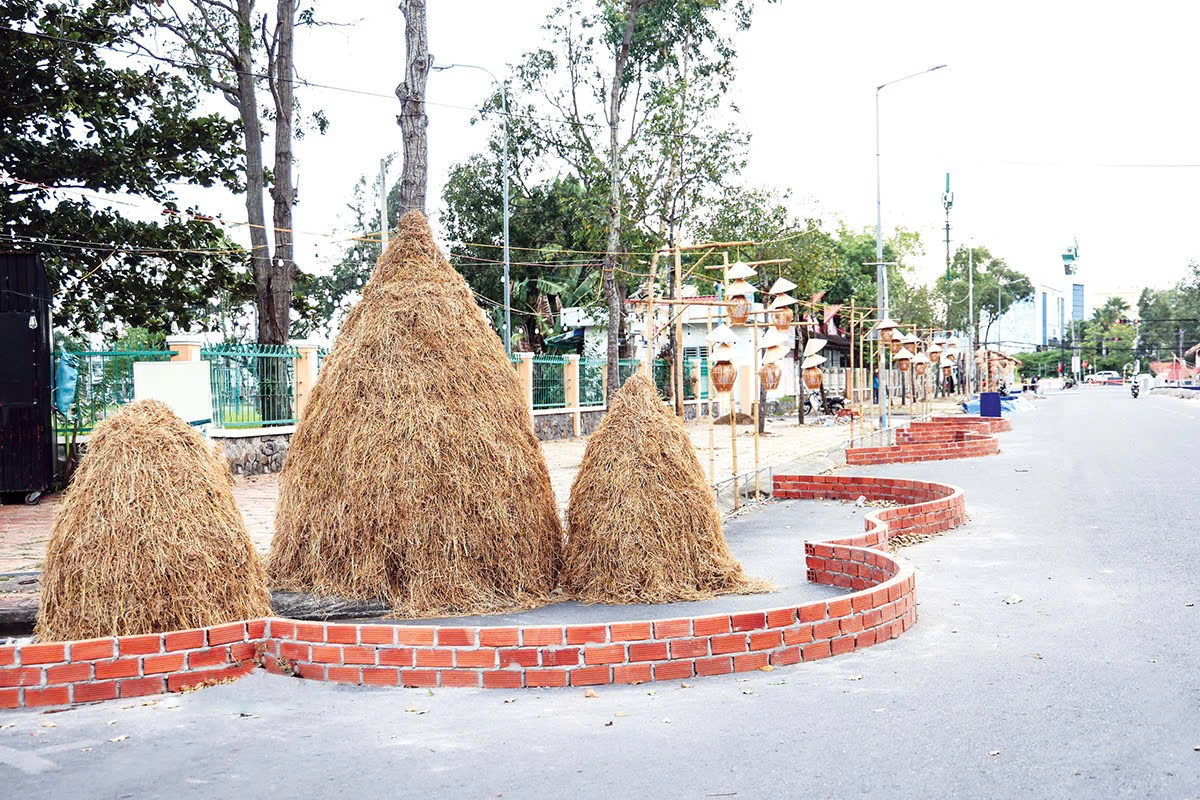
The miniature scene of the rice road is now complete. Photo: HA VAN
Specifically, the Department of Culture, Sports and Tourism is working closely with the Department of Agriculture and Environment, the Office of the City People’s Committee and the event organizer to review the program, track progress and clarify responsibilities and deadlines to stay proactive.
On the professional side, the Department of Agriculture and Environment is coordinating with ministry agencies, the Vietnam Rice Industry Association, institutes, universities and businesses to carefully prepare data, demonstration models, and workshops, highlighting the development prospects of high-quality, low-emission rice.
Meanwhile, relevant agencies and localities are working together to ensure infrastructure, landscape, environmental sanitation, food safety, healthcare, fire safety, security and order, creating the most favorable conditions for residents and visitors. The Can Tho City Investment, Trade and Tourism Promotion Center is focusing on connecting businesses and investors, promoting destinations, and organizing professional reception and logistics.
At the same time, communications before, during and after the event are being stepped up based on official information from the Organizing Board to promote green transition models. Contractors and construction units must ensure each item meets progress, quality, aesthetic and safety requirements under regular inspection and supervision by city leaders, determined to leave no room for errors, there by opening up new opportunities for Vietnamese rice.
HA VAN (Translated by MAI QUYEN)




Director: HUYNH HOANG MEN
The license No 789/GP-BTTTT issued by... on Dec 2, 2021
Address: 24 Tran Van Hoai street, Can Tho city - Tel: (0292) 3830098 - Fax: (0292) 3830561 - Email: toasoan@baocantho.com.vn
Contact to Ads: quangcao@baocantho.com.vn
Developed by:


